
Are you learning Chinese and would like to come study in China? There are many schools to choose from, and you will have different experiences in each of them.
Learning languages is not always easy, but finding the right environment for your learning needs can definitely help give a boost your Chinese skill. As an experienced language learner, let me share how I pick schools abroad.
You may be a quick decision maker or have a great memory, but some of us out here like to think things through. So first of all, I would recommend to open a spreadsheet where you can gather all the info―or pen and paper, you choose.
Now I will explain some of the things I take into consideration when looking for a language school, depending on your goals and likings, you might want to adjust them a bit, adding or deleting as needed. I start with the basics, ‘school name’ and ‘website’, while some other common categories I include are ‘location’, ‘price’, ‘activities’, ‘group size’, ‘class hours’, ‘accommodation’ and ‘visa support’.
Now, while the first two or three are quite straight forward, the rest tend to require a bit more info mining, as not all websites are structured the same.
Price and location
While ‘location’ and ‘price’ are quite standard as well, here is where you can start thinking about what you are looking for. ‘Price’ is easy: what’s your budget? Are you willing to increase it a bit for the right school? For some extra activities? What does the price listed in the website include? While some schools may have a spelled-out list of each of the fees, other may only have the whole course’s price, and these may or may not include accommodation, meals, activities, culture lessons, etc. I tend to add a small footnote for each of those differences when I write it on paper, or add a new column if I’m on a spreadsheet.
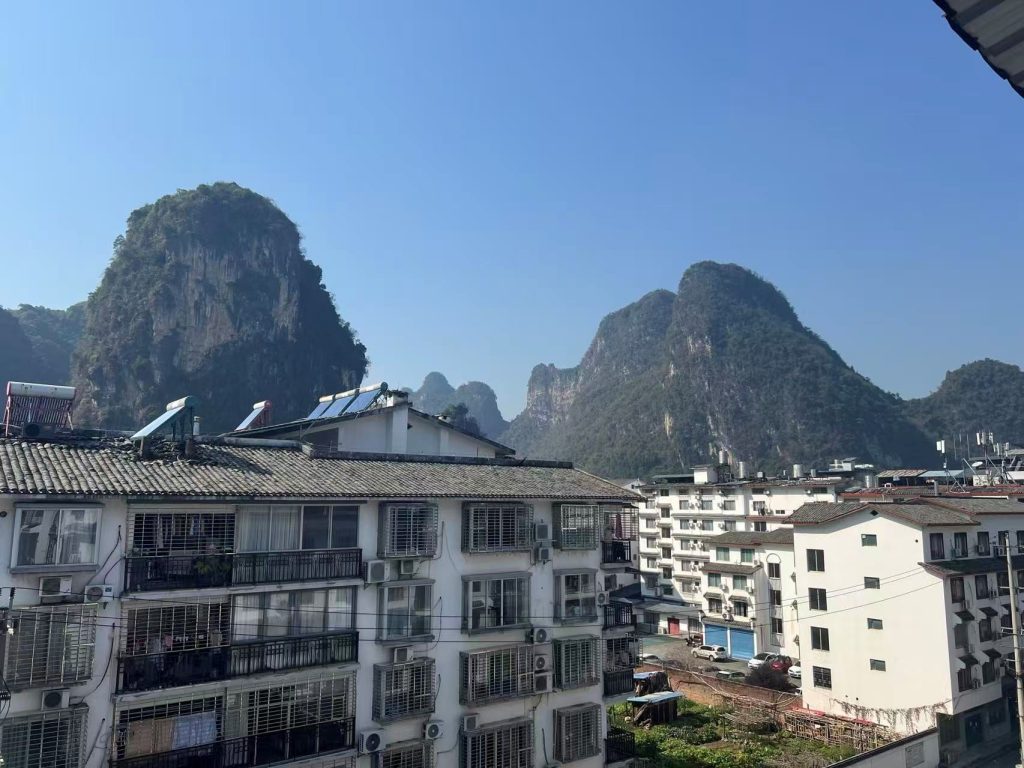
As for location, it depends on what kind of environment you are looking for. Do you like shopping, museums and city skylines or are you looking for outdoor adventure, stunning landscapes and a more natural environment? Maybe you want a cooler area or prefer to bask in the sun, or play in the snow. Mountain or sea? There are so many options!
Activities
I am a curious and active person so ‘activities’ is where much of my time attention end up when looking for a language school. Plus, I find that these cover some of the things that are hard to get from regular classes:
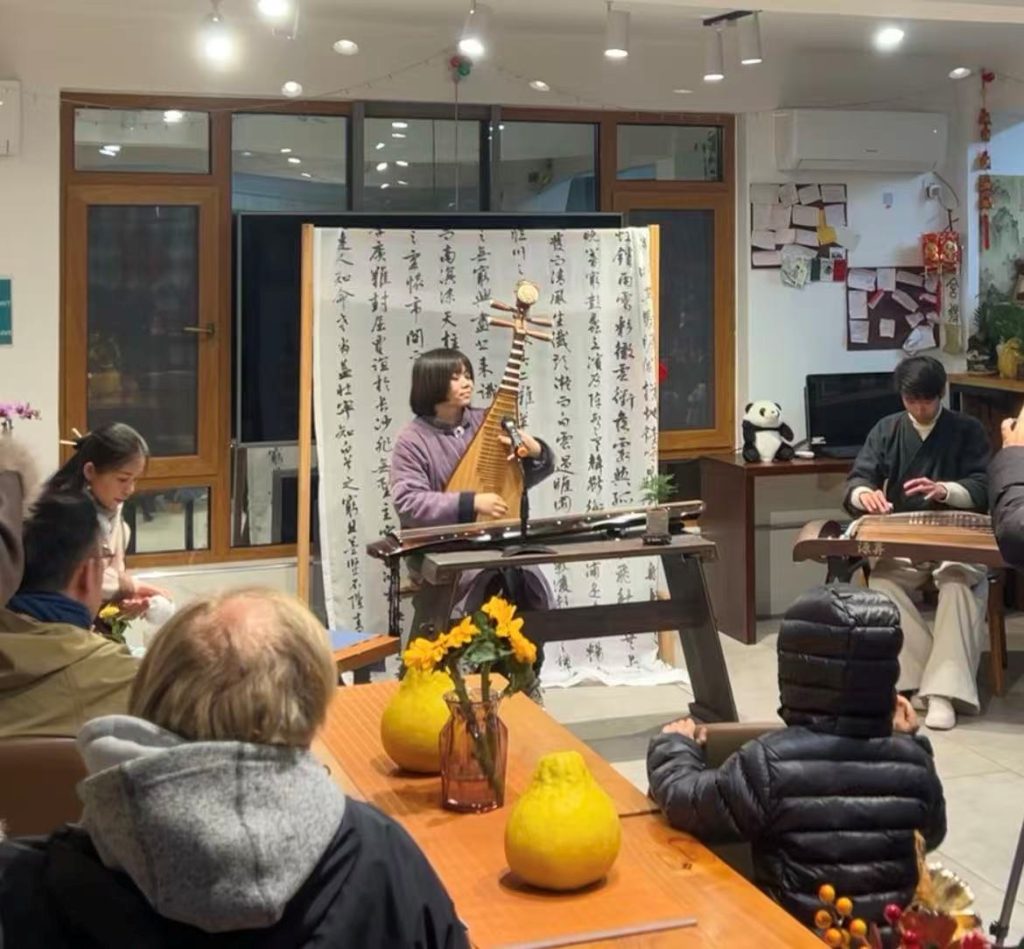
- Understanding the culture: learning a language is much easier when you understand the culture it comes from, how that culture looks at the world, so having the opportunity to learn a bit more about such culture is always an experience I value deeply. Even when the activities themselves are not cultural, they still provide an opportunity to see local cultural from a different perspective.
- In-real life language practice: while you can obviously learn the vocabulary for a specific activity from a list, I learn by doing, so for me it sticks much more easily when I hear it and use it in the actual context. I also find that vocabulary learned from a list or a book is oftentimes not what people actually use, so activities provide more up-to-date language knowledge from interactions with locals.

Group size, class hours
How do you want to spend your time? You can think about whether you want an intensive course or a freer schedule to explore on your own or join other kind of activities. If you want to take short trips outside of town, you may also want to check whether the school offers flexibility when it comes to rescheduling.
As for group size, I find I work better in small groups, but not all schools offer the option. Some will have large group, some will have small group classes, and some may only offer group classes for certain levels or only if there is a minimum number of students. I suggest you think about your previous learning experience and how you learn best. For me, I find small group is the best option, in a large group I find it harder to participate and the time the teacher can dedicate to each student is limited, while in private classes you miss the chance hearing questions and learning from mistakes you might not have thought of on your own.

Accommodation
Not all schools offer accommodation, and those who do may not have included it in the course fee. The range accommodation options they offer may also differ. Some of the options I commonly see are private apartment, hotel room, share house, school dorm or family stay. All of them have their own pros and cons. What some quiet and to be able to cook your meals? I suggest the apartment. Looking for something comfy? Hotel. Want a more social environment? Share house or dorm. You can check with the schools if there will be local students in these. If there are, that means more opportunities to practice the language and understand the culture, so I would consider it a plus. Want a full-on experience? To make sure you interact with locals daily? Go for the family stay. Consider your needs and personality here. If you are on the shyer end, you may prefer the peace and quiet of a private room, or maybe you want to get out of your comfort zone and explore a new side of yourself.

Image by Photo3idea-studio.
Visa support
You may not need a visa for certain places or shorter stays, but if you do, this is where things get serious. Having someone to support you during your stay can make the difference between travelling a bumpy mountain road with a crumbling car or going on the highway on a sports’ one. Not all schools offer this, but many do, so if you are unsure about how to get the visa, I would most definitely recommend to choose from those who do.
Extra tips
- Check the school pictures and student reviews, they can give you a sense of the atmosphere there.
- Ask the school for more info if you cannot find it on their site: how often are activities held, can they adjust this or that to your needs?
- Is the website updated? How easy was it to find the information? How was their response when you emailed them? These can all give you a sense of how the school staff works.
- Some schools may also offer scholarships, internships or volunteering programs, which may add an extra layer to your time there.
Summing up, in each of the categories you want to consider what you are looking for: some people may prefer a bustling city, others more of a nature destination, you may have budget constrains to bear in mind, or put your eye in good value for money. You may see it as an investment or you might be going there just for fun. All this will help you narrow down the search for the school that offers you the learning experience you are looking for.
About the author: Sonia Rivero is a translator and copywriter fluent in four languages with a passion for travelling.